The places that inspired Picasso
Culture30/07/2025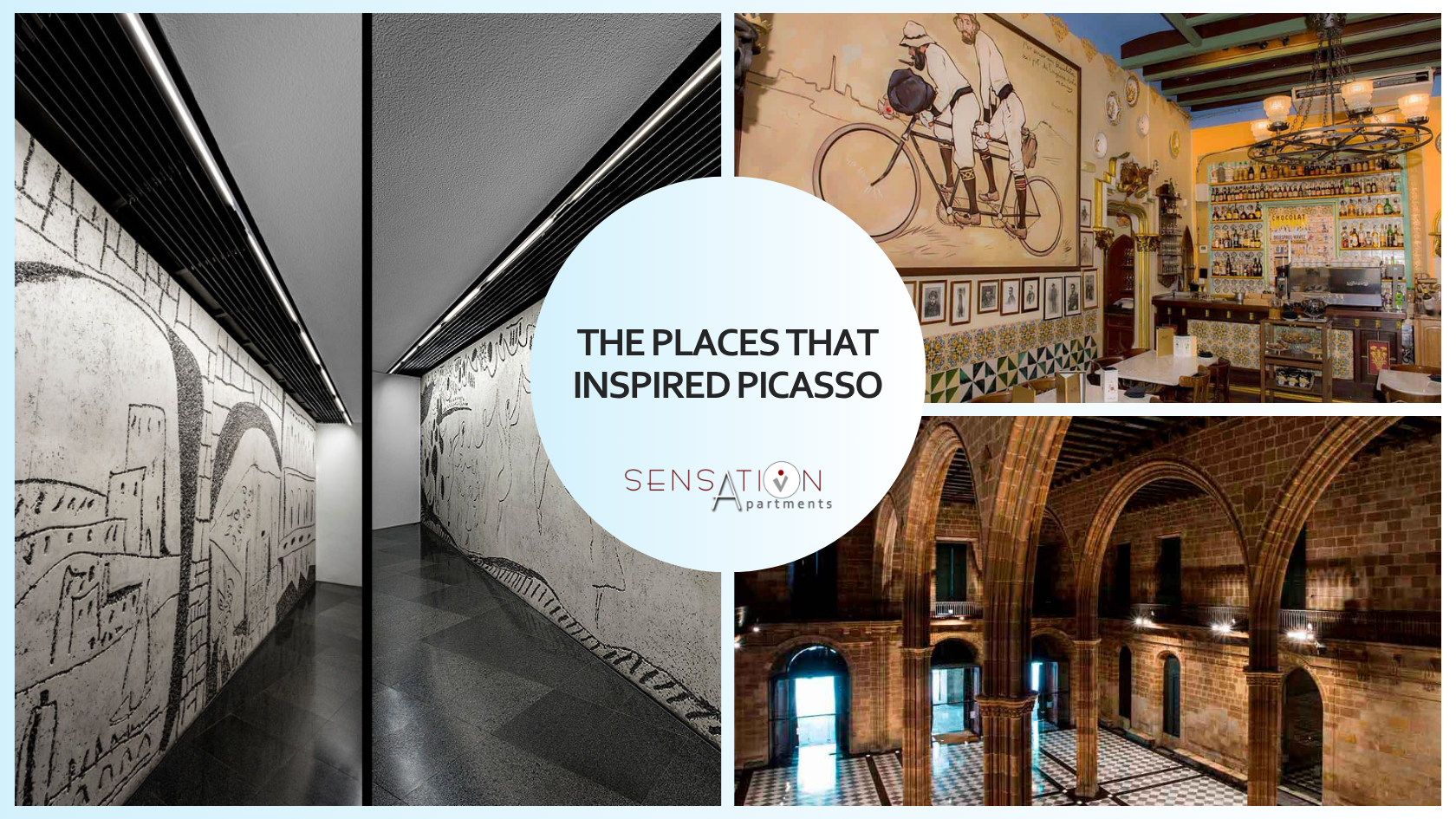
Barcelona, a city of contrasts and creativity, was key to the development of the artistic genius Pablo Picasso. Although the painter was born in Málaga, his relationship with Barcelona was crucial to his artistic development, as it was in this city where he spent much of his youth and where many of the ideas that would lead him to revolutionize modern art began to germinate. Below, we invite you to follow a chronological journey through the places in Barcelona that shaped his life and work.
Picasso's Birthplace: The Beginning of His Story in Barcelona
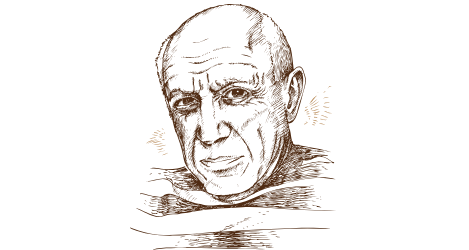
Although Picasso was born in Málaga, his connection with Barcelona began at an early age. The young painter spent his early years in the city at Picasso's Birthplace, located in Hospital Square. Although it wasn't here that he began painting, this place symbolizes his arrival in Barcelona and his first connection with the city. During his childhood, Picasso witnessed the bustle and energy of a city that would profoundly influence his artistic future.
Carrer Avinyó: The First Home of Your Creativity
In his teens, Picasso moved to an apartment on Carrer Avinyó, one of the most iconic streets in the Gothic Quarter. This was a key location in his artistic development, as Picasso spent much of his youth here. On Carrer Avinyó, surrounded by artists' studios, cafés, and the bohemian atmosphere of the time, Picasso began experimenting with his art and interacting with other young artists, which profoundly influenced his style. The street became a constant source of inspiration, and Picasso's early sketches reflect the energy and creativity emanating from this environment.
The Porxos d'en Xifré: The Crossroads of Art and Commerce
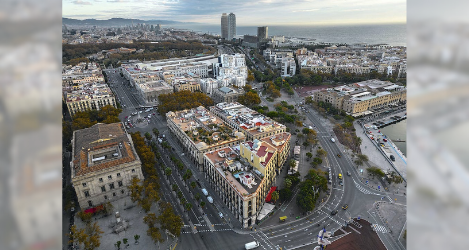
Shortly after, Picasso began exploring Los Porxos d'en Xifré, a neoclassical gallery located in the city center, between Plaza Catalunya and Passeig de Gràcia. This space, which housed a mix of art and commerce, also played a fundamental role in his development. Here, Picasso began to perceive the combination of modernity and tradition that characterized Barcelona. Los Porxos d'en Xifré offered him a space where creativity flowed freely, and where the young painter immersed himself in the city's artistic currents.
La Llotja de Mar: A Space for Exhibition and Meeting
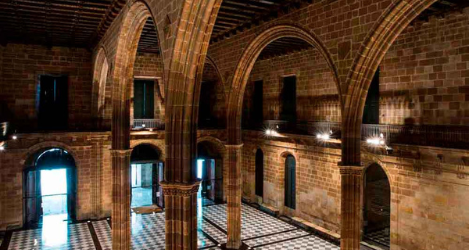
The Llotja de Mar, one of Barcelona's most iconic buildings, was a key location in Picasso's life. During his early years in the city, Picasso mingled with other artists and intellectuals in this space, which housed both commercial and cultural activities. It was here that Picasso began to gain notoriety in the local art scene, participating in various exhibitions and experimenting with new techniques and styles. For Picasso, the Llotja represented the intersection of traditional art and the new trends emerging in Europe.
The Plaza de la Mercé: A Place of Tradition and Creativity
In his early years in Barcelona, Picasso was also drawn to the Plaza de la Mercé, a place steeped in history and tradition. In this square, home to the Church of La Mercé, Picasso found a space that connected with the city's cultural roots. Although his style was not forged here, the square and its surroundings represented for Picasso the most traditional Barcelona, one that coexisted with modernity and inspired many of the painter's early works.
Els Quatre Gats: The Refuge of the Artistic Avant-garde
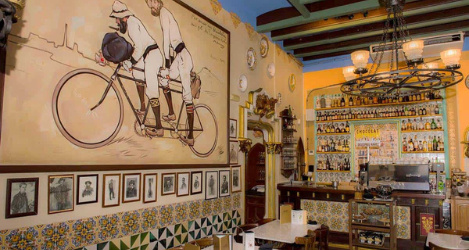
At the beginning of the 20th century, Picasso began frequenting the Els Quatre Gats café in the Gothic Quarter. This café, a nerve center of the avant-garde of the time, was the place where Picasso interacted with other young artists and writers who, like him, were seeking new forms of expression. It was at Els Quatre Gats that Picasso held his first exhibitions, a key moment in his career. This place became a refuge for creativity and experimentation, and was greatly influenced by the spirit of modernity that dominated Barcelona at the time.
![]()
Sala Parés: Picasso's Professional Recognition
At the Sala Parés, one of Barcelona's most important galleries, Picasso presented his work to a wider audience. This space, located in the heart of the El Raval neighborhood, marked a turning point in Picasso's career. It was at the Sala Parés that his talent began to be recognized, and where he held his first major exhibitions. The gallery's influence was crucial in Picasso's recognition in the city's art world and, later, internationally.
The COAC Friezes: Picasso's Fascination with Architecture
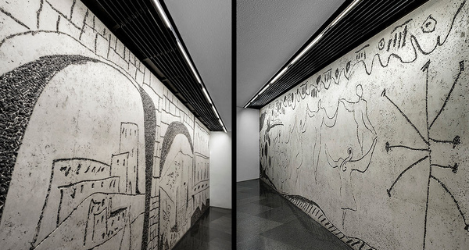
Although painting was his primary medium of expression, Picasso always had a great fascination with architecture. During his time in Barcelona, the friezes of the College of Architects of Catalonia (COAC) were among the works that most inspired him. The detailed ornamentation and architectural style of this building influenced Picasso in his early formative years, and its influence is evident in some of the structural elements Picasso incorporated into his later works, especially during his Cubist phase.
![]()
El Carrer del Comerç, 18: The Workshop of Artistic Maturity
Finally, at 18 Carrer del Comerç, Picasso spent some of the most productive years of his career in Barcelona. This studio, near Barceloneta, witnessed a fundamental part of his artistic development. Here, Picasso began to explore new techniques and consolidate his unique style, which was already shaping his Cubist masterpiece. This studio symbolizes Picasso's maturity as an artist and represents the link between his creative evolution and the context of Barcelona.
The places Picasso visited, lived in, and transformed in Barcelona bear witness to his evolution as an artist. Barcelona was the city that saw him grow, experiment, and ultimately transform modern art. Today, exploring these places invites us to understand how the city was a constant source of inspiration for the young Picasso, and how his legacy lives on in every corner.
Don't miss this fantastic tour of every detail of Picasso's connection with Barcelona.
Picasso's Birthplace: The Beginning of His Story in Barcelona
Although Picasso was born in Málaga, his connection with Barcelona began at an early age. The young painter spent his early years in the city at Picasso's Birthplace, located in Hospital Square. Although it wasn't here that he began painting, this place symbolizes his arrival in Barcelona and his first connection with the city. During his childhood, Picasso witnessed the bustle and energy of a city that would profoundly influence his artistic future.
Carrer Avinyó: The First Home of Your Creativity
In his teens, Picasso moved to an apartment on Carrer Avinyó, one of the most iconic streets in the Gothic Quarter. This was a key location in his artistic development, as Picasso spent much of his youth here. On Carrer Avinyó, surrounded by artists' studios, cafés, and the bohemian atmosphere of the time, Picasso began experimenting with his art and interacting with other young artists, which profoundly influenced his style. The street became a constant source of inspiration, and Picasso's early sketches reflect the energy and creativity emanating from this environment.
The Porxos d'en Xifré: The Crossroads of Art and Commerce
Shortly after, Picasso began exploring Los Porxos d'en Xifré, a neoclassical gallery located in the city center, between Plaza Catalunya and Passeig de Gràcia. This space, which housed a mix of art and commerce, also played a fundamental role in his development. Here, Picasso began to perceive the combination of modernity and tradition that characterized Barcelona. Los Porxos d'en Xifré offered him a space where creativity flowed freely, and where the young painter immersed himself in the city's artistic currents.
La Llotja de Mar: A Space for Exhibition and Meeting
The Llotja de Mar, one of Barcelona's most iconic buildings, was a key location in Picasso's life. During his early years in the city, Picasso mingled with other artists and intellectuals in this space, which housed both commercial and cultural activities. It was here that Picasso began to gain notoriety in the local art scene, participating in various exhibitions and experimenting with new techniques and styles. For Picasso, the Llotja represented the intersection of traditional art and the new trends emerging in Europe.
The Plaza de la Mercé: A Place of Tradition and Creativity
In his early years in Barcelona, Picasso was also drawn to the Plaza de la Mercé, a place steeped in history and tradition. In this square, home to the Church of La Mercé, Picasso found a space that connected with the city's cultural roots. Although his style was not forged here, the square and its surroundings represented for Picasso the most traditional Barcelona, one that coexisted with modernity and inspired many of the painter's early works.
Els Quatre Gats: The Refuge of the Artistic Avant-garde
At the beginning of the 20th century, Picasso began frequenting the Els Quatre Gats café in the Gothic Quarter. This café, a nerve center of the avant-garde of the time, was the place where Picasso interacted with other young artists and writers who, like him, were seeking new forms of expression. It was at Els Quatre Gats that Picasso held his first exhibitions, a key moment in his career. This place became a refuge for creativity and experimentation, and was greatly influenced by the spirit of modernity that dominated Barcelona at the time.
Sala Parés: Picasso's Professional Recognition
At the Sala Parés, one of Barcelona's most important galleries, Picasso presented his work to a wider audience. This space, located in the heart of the El Raval neighborhood, marked a turning point in Picasso's career. It was at the Sala Parés that his talent began to be recognized, and where he held his first major exhibitions. The gallery's influence was crucial in Picasso's recognition in the city's art world and, later, internationally.
The COAC Friezes: Picasso's Fascination with Architecture
Although painting was his primary medium of expression, Picasso always had a great fascination with architecture. During his time in Barcelona, the friezes of the College of Architects of Catalonia (COAC) were among the works that most inspired him. The detailed ornamentation and architectural style of this building influenced Picasso in his early formative years, and its influence is evident in some of the structural elements Picasso incorporated into his later works, especially during his Cubist phase.
El Carrer del Comerç, 18: The Workshop of Artistic Maturity
Finally, at 18 Carrer del Comerç, Picasso spent some of the most productive years of his career in Barcelona. This studio, near Barceloneta, witnessed a fundamental part of his artistic development. Here, Picasso began to explore new techniques and consolidate his unique style, which was already shaping his Cubist masterpiece. This studio symbolizes Picasso's maturity as an artist and represents the link between his creative evolution and the context of Barcelona.
The places Picasso visited, lived in, and transformed in Barcelona bear witness to his evolution as an artist. Barcelona was the city that saw him grow, experiment, and ultimately transform modern art. Today, exploring these places invites us to understand how the city was a constant source of inspiration for the young Picasso, and how his legacy lives on in every corner.
Don't miss this fantastic tour of every detail of Picasso's connection with Barcelona.